

become a DSP in Pennsylvania If you want to become a DSP in Pennsylvania, you are considering work that combines practical responsibility with meaningful human connection. Direct Support Professionals help adults with intellectual and developmental disabilities pursue everyday goals, make informed choices, participate in their communities, and live with greater independence. The role is hands-on, but it is not about taking control of another person’s life. Strong DSPs listen, encourage, teach, document, protect health and safety, and provide the level of assistance identified in each person’s support plan.
This guide explains seven practical considerations for candidates and links to reliable resources so you can make an informed career decision.
In this guide
- 1. Understand person-centered support
- 2. Review the position requirements
- 3. Complete screening and clearances
- 4. Participate fully in DSP training
- 5. Build communication and observation skills
- 6. Learn documentation habits
- 7. Apply to an employer whose values fit
- Practical next steps
- Frequently asked questions
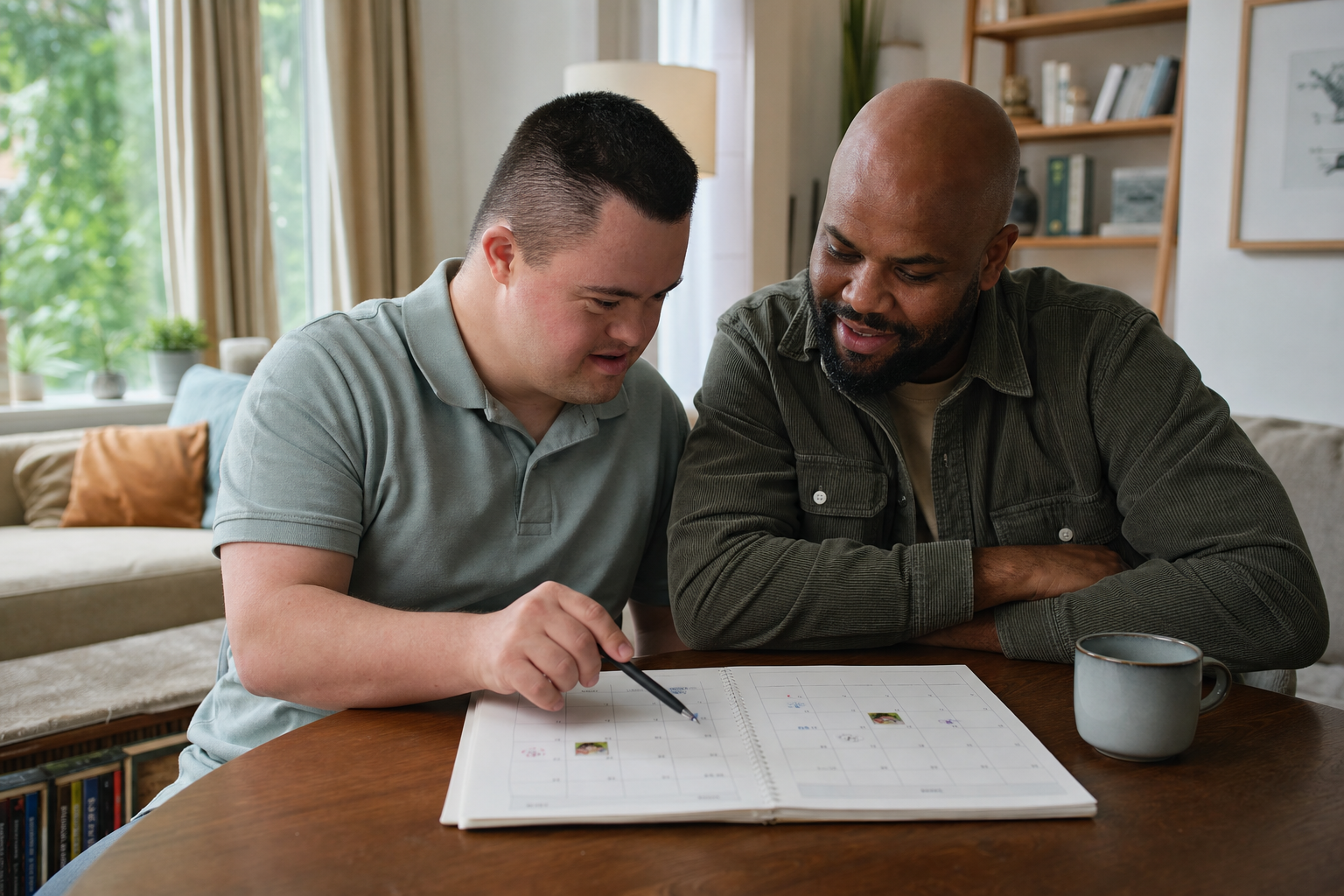
become a DSP in Pennsylvania: what candidates should know
Pennsylvania providers establish job requirements based on the services they deliver, state and federal rules, and the needs of the people they support. A typical candidate needs dependable transportation, clear communication, sound judgment, the ability to complete required checks and training, and a genuine commitment to dignity and choice. Healthcare experience can help, but many successful employees enter from education, hospitality, customer service, family support, or other fields where patience and reliability matter.
1. Understand person-centered support
Person-centered support begins with the individual’s goals, preferences, culture, communication style, strengths, and right to make choices. A DSP does not assume that one routine works for everyone. Candidates should be prepared to ask respectful questions, follow individualized plans, and support reasonable risk-taking. This mindset is the foundation of quality services and should guide every later skill.
become a DSP in Pennsylvania candidates can use this point to evaluate responsibilities, prepare better questions, and decide whether the role fits their strengths.
2. Review the position requirements
Read the complete posting before applying. Check the required age, education, license, driving record, schedule, physical responsibilities, and documentation expectations. Requirements can vary between residential, in-home, community, and employment-support assignments. If a qualification is unclear, ask the employer rather than assuming you are ineligible. Honest questions help both sides determine whether the position is a strong match.
become a DSP in Pennsylvania candidates can use this point to evaluate responsibilities, prepare better questions, and decide whether the role fits their strengths.
3. Complete screening and clearances
Employers may require criminal-history checks, abuse-registry screening, driving-record review, drug screening, health documentation, or other clearances appropriate to the program. Provide accurate information and complete requested steps promptly. A delay in paperwork can postpone a start date. Keep copies of documents and ask which items the employer arranges and which ones you must obtain yourself.
become a DSP in Pennsylvania candidates can use this point to evaluate responsibilities, prepare better questions, and decide whether the role fits their strengths.
4. Participate fully in DSP training
New DSP training commonly covers individual rights, incident prevention, emergency procedures, infection control, documentation, communication, recognizing abuse or neglect, and person-specific support. Some roles also require medication or specialized health training. Treat orientation as professional preparation, not a formality. Ask questions, practice skills, and understand whom to contact when a situation exceeds your training.
become a DSP in Pennsylvania candidates can use this point to evaluate responsibilities, prepare better questions, and decide whether the role fits their strengths.
5. Build communication and observation skills
A capable DSP notices changes without jumping to conclusions. You may observe differences in mood, routine, appetite, mobility, sleep, communication, or participation. Clear reporting helps the wider team respond appropriately. Communication also includes listening patiently, using accessible formats, protecting confidentiality, and adapting to people who communicate through gestures, devices, pictures, behavior, or limited speech.
become a DSP in Pennsylvania candidates can use this point to evaluate responsibilities, prepare better questions, and decide whether the role fits their strengths.
6. Learn documentation habits
Service notes should be timely, objective, accurate, and connected to the person’s plan. Record what happened, what support was offered, how the person responded, and any required follow-up. Avoid judgmental labels or unsupported assumptions. Good documentation protects the individual, supports continuity between shifts, demonstrates services delivered, and helps supervisors identify patterns that may require attention.
become a DSP in Pennsylvania candidates can use this point to evaluate responsibilities, prepare better questions, and decide whether the role fits their strengths.
7. Apply to an employer whose values fit
A strong provider should explain training, supervision, schedules, expectations, and how employees raise concerns. Look for an organization that speaks about people with disabilities as adults with rights and goals. Ask how person-centered practices are supported in daily work. When the culture matches your values, it is easier to grow into the role and provide consistent support.
become a DSP in Pennsylvania candidates can use this point to evaluate responsibilities, prepare better questions, and decide whether the role fits their strengths.
Practical next steps
Before applying, prepare a simple employment history, contact information for references, your current license and insurance information if driving is required, and a list of schedule options you can reliably maintain. Think of examples that show patience, problem-solving, responsibility, teamwork, and respect for privacy. These examples do not need to come from healthcare. They can come from school, volunteer work, customer service, family responsibilities, or another job.
For a current opportunity, review the LVCCH in-home and community DSP position and the LVCCH Direct Support Professional page. Applicants should rely on the current posting for exact qualifications, schedules, compensation, and benefits.
Additional background is available from the U.S. Department of Labor’s Direct Support Professional resources and Pennsylvania’s intellectual disability and autism resources.
become a DSP in Pennsylvania: frequently asked questions
Do I need a college degree to become a DSP in Pennsylvania?
Many DSP positions do not require a college degree, but education requirements vary by employer and service. Read the posting carefully and confirm the minimum qualification.
Can I become a DSP without healthcare experience?
Yes. Many employers provide role-specific training. Transferable skills such as reliability, communication, patience, safe driving, and respectful problem-solving are highly valuable.
Is a DSP the same as a nurse?
No. DSPs focus on everyday support, community participation, skill building, rights, and person-centered goals. Certain delegated health tasks require specific training and oversight.
Where can I apply?
Review LVCCH’s Direct Support Professional opportunity and submit accurate information about your experience, availability, and interest in person-centered work.
Ready to explore a meaningful career?
become a DSP in Pennsylvania opportunities are strongest when candidates understand both the responsibility and the purpose of the work. If you value dignity, inclusion, dependable teamwork, and helping adults pursue their own goals, learn more about Lehigh Valley Companion Care Homes and review the current application information.
Related DSP career guides
Continue preparing for a person-centered career with these practical LVCCH resources about responsibilities, training, schedules, and professional growth.