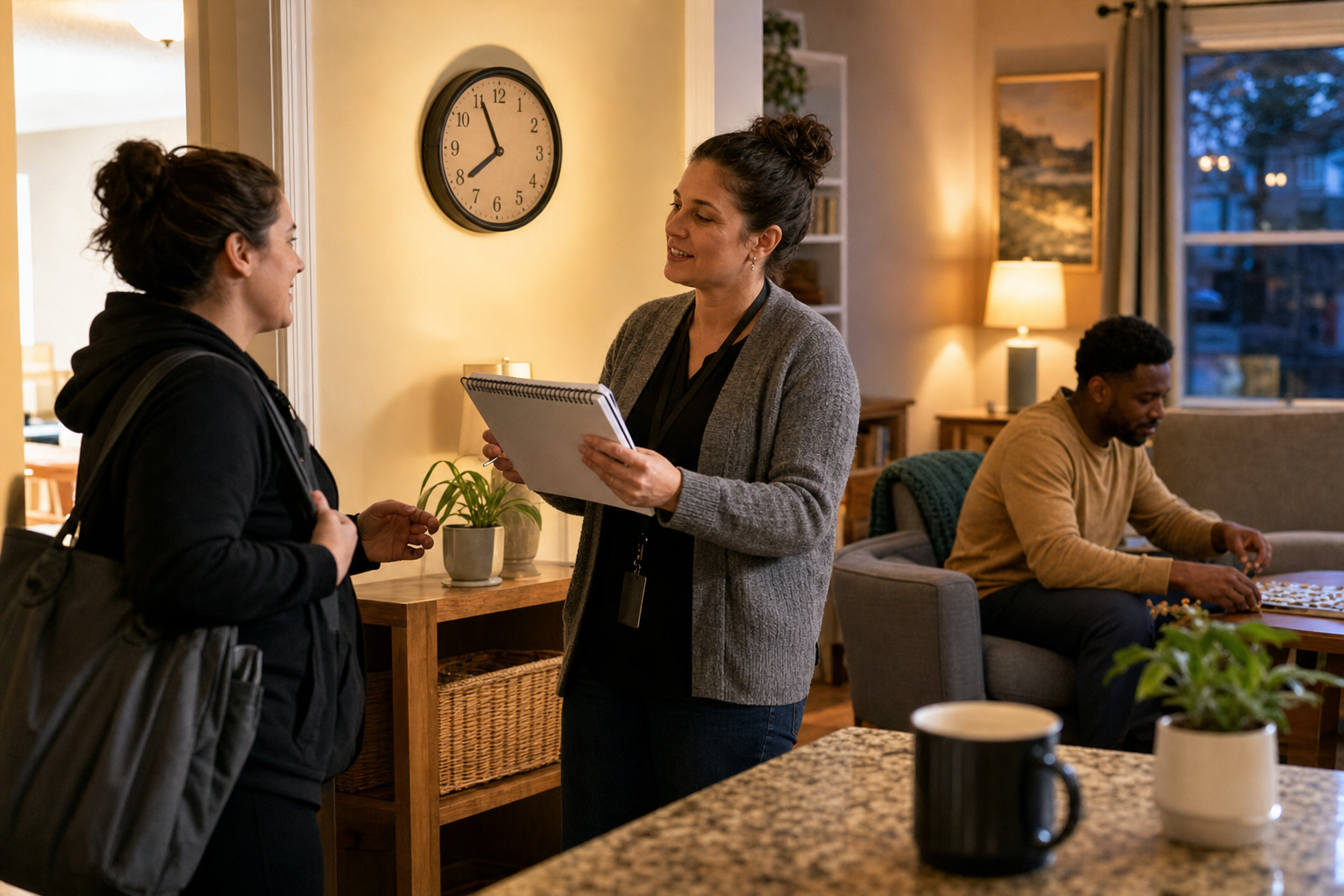


day in the life of a DSP A day in the life of a DSP is active, varied, and centered on the choices of the adults receiving support. There is no single schedule that describes every position. One person may need reminders and transportation; another may use an alternative communication system or require trained assistance with health routines. The DSP’s job is to understand the plan, listen to the person, provide only the support needed, and respond thoughtfully as the day changes.
This guide explains seven practical considerations for candidates and links to reliable resources so you can make an informed career decision.
In this guide

day in the life of a DSP: what candidates should know
The following example describes common responsibilities rather than a promise about every assignment. Residential, in-home, community, and employment-support shifts can look different. Specific duties must always follow organizational policy, completed training, and the individual support plan. Within those boundaries, good DSPs combine preparation with flexibility and treat ordinary moments-choosing breakfast, catching a bus, attending an appointment, or calling a friend-as opportunities for autonomy and participation.
1. Begin with an accurate shift handoff
A responsible day in the life of a DSP begins by learning what happened before the shift. Review required notes, health information, scheduled appointments, transportation plans, and any approved changes. Ask focused questions when something is unclear. A good handoff protects continuity, but confidential details should be discussed only with authorized people and in appropriate locations.
day in the life of a DSP candidates can use this point to evaluate responsibilities, prepare better questions, and decide whether the role fits their strengths.
2. Support the person’s preferred routine
Morning or evening routines should reflect the person’s established choices and support needs. A DSP might offer reminders, organize materials, provide physical assistance within training, or help someone use a visual schedule. The goal is not to rush through a checklist. Allow reasonable time for the person to participate, make choices, and practice skills while maintaining safety.
day in the life of a DSP candidates can use this point to evaluate responsibilities, prepare better questions, and decide whether the role fits their strengths.
3. Plan meals collaboratively
Meal support can include reviewing preferences, checking dietary instructions, shopping, budgeting, preparing food, or cleaning the kitchen. Encourage the person to do the steps they can complete safely. Offer accessible choices instead of deciding automatically. When health-related diets or swallowing precautions apply, the DSP must follow the written plan and seek guidance rather than improvising.
day in the life of a DSP candidates can use this point to evaluate responsibilities, prepare better questions, and decide whether the role fits their strengths.
4. Participate in the community
Community time may involve work, volunteering, shopping, recreation, worship, classes, appointments, or visiting family and friends. The DSP helps with planning, transportation, communication, access, and problem-solving while avoiding unnecessary control. Community inclusion means more than being physically present. It includes opportunities to interact, make purchases, contribute, build relationships, and choose how time is spent.
day in the life of a DSP candidates can use this point to evaluate responsibilities, prepare better questions, and decide whether the role fits their strengths.
5. Observe and communicate changes
Throughout a day in the life of a DSP, careful observation matters. Changes in mood, energy, mobility, appetite, communication, sleep, or behavior may be important. Record facts and follow the appropriate reporting path. Do not diagnose, make promises, or share private information casually. Timely communication allows qualified team members to evaluate what support or follow-up is needed.
day in the life of a DSP candidates can use this point to evaluate responsibilities, prepare better questions, and decide whether the role fits their strengths.
6. Document services accurately
Before the shift ends, complete required notes while events are fresh. Connect documentation to the person’s goals and describe the support provided. Use objective language, record required data, and correct errors according to policy. Documentation is not busywork. It helps the team understand progress, confirms services, and provides a reliable account when questions arise later.
day in the life of a DSP candidates can use this point to evaluate responsibilities, prepare better questions, and decide whether the role fits their strengths.
7. End with a respectful handoff
The next employee needs concise, relevant information. Share upcoming appointments, completed tasks, unresolved concerns, supplies that need attention, and changes already reported. Include positive information too, such as achievements, preferences expressed, and activities enjoyed. Finish required safety checks without discussing the person as if they are absent or unable to understand.
day in the life of a DSP candidates can use this point to evaluate responsibilities, prepare better questions, and decide whether the role fits their strengths.
Practical next steps
Candidates can prepare for this rhythm by practicing organization. Arrive on time, keep personal distractions away, review the plan, and identify the day’s fixed commitments. Then remain flexible around the person’s decisions and changing circumstances. If an urgent situation occurs, follow training and contact the appropriate supervisor or emergency resource. Strong judgment includes recognizing when not to act alone.
For a current opportunity, review the LVCCH in-home and community DSP position and the LVCCH Direct Support Professional page. Applicants should rely on the current posting for exact qualifications, schedules, compensation, and benefits.
Additional background is available from the U.S. Department of Labor’s Direct Support Professional resources and Pennsylvania’s intellectual disability and autism resources.
day in the life of a DSP: frequently asked questions
Is every DSP shift busy?
The pace varies by person, setting, and schedule. Some periods are active and others are quieter, but the employee remains responsible for safety, engagement, documentation, and readiness.
Do DSPs choose activities for people?
DSPs can help identify options and solve access problems, but person-centered practice supports the individual in choosing activities whenever possible.
Do DSPs provide medical care?
DSPs are not nurses unless separately licensed. They perform only health-related tasks permitted by policy and completed training, with required oversight.
What is the most important daily habit?
Preparation and respectful communication are essential. Review the plan, listen carefully, document facts, and ask for help when a situation exceeds your authority or training.
Ready to explore a meaningful career?
day in the life of a DSP opportunities are strongest when candidates understand both the responsibility and the purpose of the work. If you value dignity, inclusion, dependable teamwork, and helping adults pursue their own goals, learn more about Lehigh Valley Companion Care Homes and review the current application information.
Related DSP career guides
Continue preparing for a person-centered career with these practical LVCCH resources about responsibilities, training, schedules, and professional growth.