
Preparing for Continuing Disability Reviews (CDRs): Protecting Your Hard-Earned Benefits

Receiving approval for Social Security Disability benefits is a monumental relief for individuals with developmental disabilities and their families. However, approval is not a permanent guarantee. The Social Security Administration (SSA) is required by law to periodically review cases through a process known as a Continuing Disability Review (CDR).
At Lehigh Valley Companion Care Homes (LVCCH), we want to help families stay prepared. Understanding how CDRs work and keeping your files organized will help ensure that these critical benefits continue without interruption. For detailed strategies, you can also access benefit protection resources via The Disability Digest.
What is a Continuing Disability Review (CDR)?
A CDR is the SSA’s way of verifying that you or your loved one still meets the medical and financial eligibility requirements for disability benefits. The frequency of these reviews depends on the likelihood of medical improvement:
- Medical Improvement Expected (MIE): Reviewed every 12 to 36 months.
- Medical Improvement Possible (MIP): Reviewed every 3 to 5 years.
- Medical Improvement Not Expected (MINE): Reviewed every 5 to 7 years (common for permanent developmental conditions, Down syndrome, and severe autism). You can review the SSA’s official policies on returning to work and reviews in the SSA Red Book.
Key Steps to Protect Your Benefits During a CDR
To successfully navigate a CDR, follow these essential guidelines:
- Maintain Consistent Medical Care: The number one cause of benefit termination during a CDR is “medical cessation” due to a lack of recent records. Even if a condition is chronic and unchanging, regular visits to doctors and therapists are required to maintain a paper trail of ongoing limitations.
- Be Prompt and Responsive: When the SSA initiates a review, they will send forms requesting updated medical history. It is critical to complete these forms accurately and submit them before the deadline. Missing a deadline can cause payments to pause automatically.
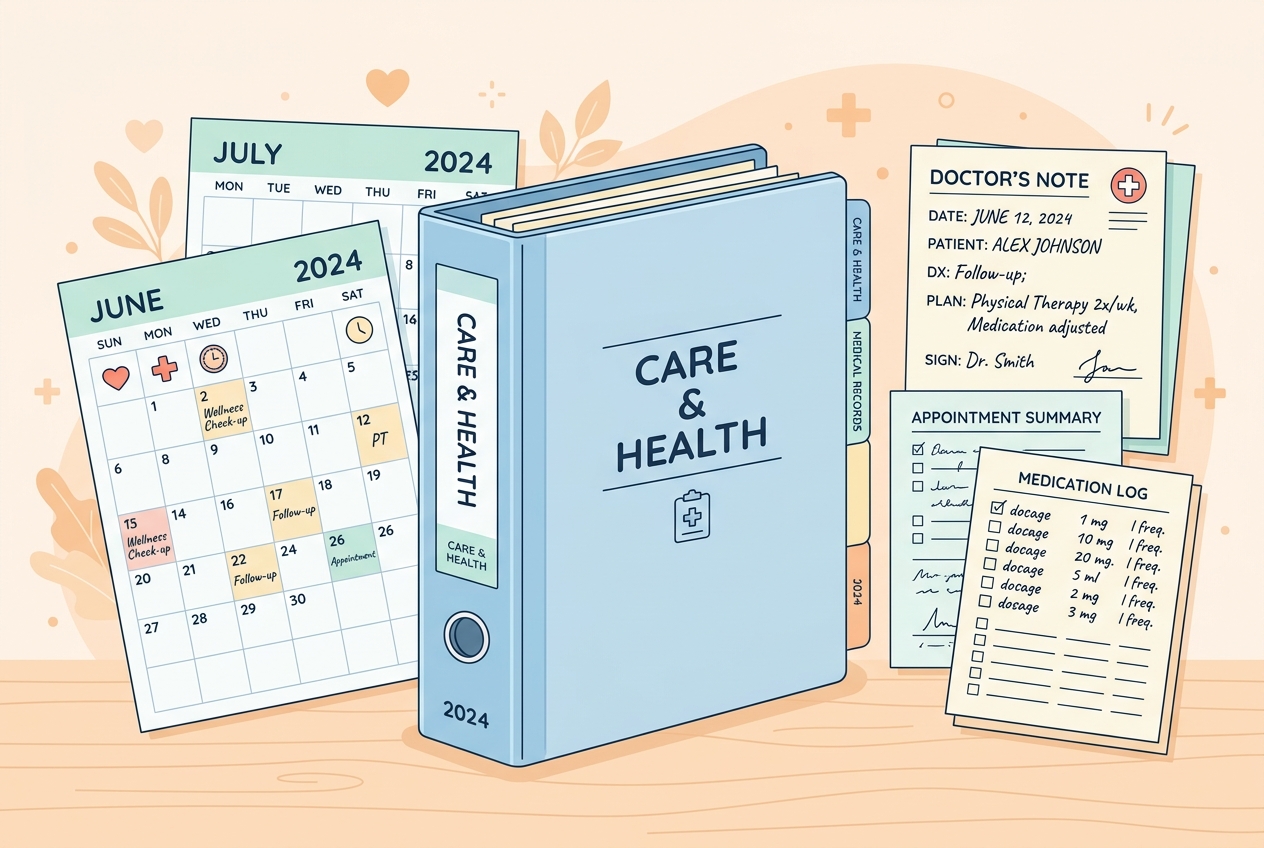
- Stay Organized: Keep a dedicated binder containing copies of all SSA letters, medical history logs, prescription lists, and contact information for all healthcare providers. Having this information ready makes filling out CDR forms much easier.
- Track Earnings: If the beneficiary is participating in a supportive employment program, ensure their monthly earnings remain well within the limits to avoid triggering an unscheduled review.
How LVCCH Supports Families
For residents in our Lehigh Valley Companion Care Homes, our staff maintains detailed daily logs, medication administration records, and individual service plans (ISPs). These documents are invaluable pieces of evidence that families can use to show the continuous level of care and support required, ensuring a smooth and successful CDR process.
We are dedicated to providing stable, loving, and supportive environments for adults with IDD and autism. If you are exploring residential care options or want to learn more about how we support our residents, please contact Lehigh Valley Companion Care Homes today.